Did You Know Teeth Whitening Could Damage Your Smile? 5 Essential Safety Protocols Revealed
Discover the hidden risks of teeth whitening and the must-follow safety measures to protect your smile. This eye-opening guide reveals how enamel erosion, gum irritation, and sensitivity can arise from improper whitening practices, drawing from expert insights and common pitfalls. Learn the stark differences between DIY home kits and professional treatments, including essential protocols like dental clearance and ADA certifications. Arm yourself with practical steps to avoid damage—read on to safeguard your dazzling smile without compromising oral health. Perfect for anyone considering whitening options.
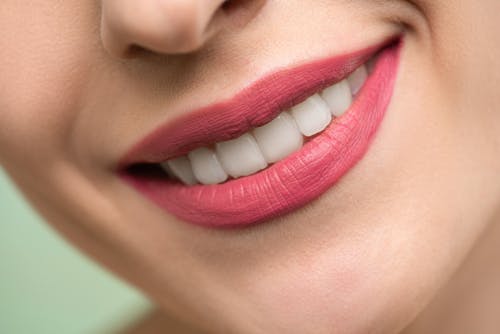
The quest for a dazzling smile through Teeth Whitening has surged in popularity recently, yet beneath its appeal lies an alarming truth: this procedure can sometimes inflict more harm than benefits. As we delve into potential risks like enamel erosion and gum damage, you'll grasp why non-negotiable safety protocols are vital. Prepare to uncover five essential safeguards that preserve your radiant smile—knowledge that could make all the difference.
Chapter 1: Is Tooth Whitening Truly Safe?
A dangerous misconception persists that all Teeth Whitening solutions are harmless simply because they're available over-the-counter. However, this false sense of security often leads people to overlook critical safety checks. The reality is clear: while FDA-approved ingredients such as carbamide peroxide have proven safety records at specific concentrations, unregulated online products flood the market with untested chemicals and high peroxide levels, turning a cosmetic ritual into a dental gamble. Without professional oversight, risks escalate. Furthermore, regulatory gaps highlight why consumer vigilance is paramount when selecting whitening treatments.
Importantly, seeking dental guidance is indispensable. Dentists can detect issues like microscopic cracks or enamel weaknesses that bleaching agents might worsen, providing your first line of defense against damage—a step many skip with convenient home kits promising instant results. To ensure safety, always start with a professional consultation.
- FDA-approved ingredients undergo rigorous tests; unregulated products pose high risks.
- Dentists identify vulnerabilities that DIY methods often miss.
- Always verify product concentrations to avoid irreversible harm.
Chapter 2: The Truth About Enamel Damage
Bleaching agents penetrate tooth structure to oxidize stubborn stains but simultaneously trigger demineralization, potentially weakening enamel permanently. High-concentration peroxide solutions can temporarily soften enamel, making it vulnerable to abrasion from brushing or acidic foods immediately after application. Consistent use without recovery periods risks permanent loss, which no cosmetic solution can reverse. Visible warning signs include edge translucency, heightened temperature sensitivity, and a bluish tint as dentin shows through thinning enamel.
To maintain enamel integrity, stick to professional teeth whitening with 10-15% carbamide peroxide—concentrations that balance effectiveness with safety. Avoid exceeding 35% peroxide without dental supervision, as microscopic damage accumulates over time, compromising your tooth foundation. Regular evaluations help keep whitening effective and safe.
- Peroxide softens enamel temporarily; use recovery intervals.
- Professional concentrations (10-15%) prevent long-term erosion.
- Spot symptoms like sensitivity or discoloration early to intervene.
Chapter 3: Managing Tooth Sensitivity
Sensitivity from whitening stems from peroxide penetrating enamel, exposing dentin tubules and creating direct pathways to nerve endings. This explains why cold beverages become painful during treatments—some experience sudden 'zingers' lasting minutes. For relief, desensitizing toothpastes with potassium nitrate calm hyperactive nerves: apply them before whitening gels to form a protective barrier.
Treatment frequency is crucial—limit sessions every 3-6 months and take 7-day breaks to allow tubular occlusion. Monitoring and adjusting based on sensitivity levels ensures a smoother whitening journey. Remember, recognizing sensitivity early helps prevent discomfort and fosters proactive care.
- Peroxide exposure causes nerve sensitivity; desensitizing toothpaste offers relief.
- Plan sessions every 3-6 months with breaks for recovery.
- Adjust based on personal tolerance to avoid severe pain.
Chapter 4: Gum Irritation: Prevention & Solutions
Ill-fitting whitening trays often lead to chemical burns along gumlines when gel escapes confinement. DIY moldable trays from online sources rarely account for unique dental structures, creating gaps despite apparent customization—professionally fitted trays provide vacuum-sealed protection. To prevent issues, apply barrier gels like petroleum jelly along gums as a hydrophobic shield against peroxide.
If irritation occurs, cease treatments immediately and rinse with warm salt water. Switch to SLS-free toothpaste and avoid acidic foods during recovery, which usually takes 72 hours. Proper tray fit and protective measures significantly reduce gum irritation risks.
- Custom-fitted trays prevent gel overflow; DIY options often fail.
- Use barrier gels and rinses for immediate relief.
- Follow SLS-free routines to speed healing.
Chapter 5: Unexpected Color Results Explained
Uneven whitening often results from conditions like enamel hypoplasia or mineral deposits that disrupt uniform bleach absorption. Teeth have multiple pigment layers—older dentin stains may require longer contact time than surface discoloration, causing some teeth to stall mid-treatment. Crucially, whitening only targets natural enamel; crowns or veneers won't change shade, leading to mismatches.
Correcting patchy outcomes demands professional assessment for spot treatments or shade matching. Identifying existing dental work beforehand sets realistic expectations and emphasizes consulting dentists for optimal results—key to a consistent, bright smile.
- Pigment variations cause uneven whitening; identify issues early.
- Restorations remain unchanged; plan around dental work.
- Seek professional corrections for mismatch fixes.
Chapter 6: Hidden Risks of Natural Remedies
Natural remedies like lemon juice or apple cider vinegar, with pH levels between 2.8-4.5, demineralize enamel faster than professional systems during 15-minute applications. Ironically, these acids make teeth more prone to future staining. Baking soda's abrasiveness scratches enamel when combined with stiff-bristled brushes, increasing erosion risks.
Safer alternatives include nanohydroxyapatite toothpaste for surface stain removal. Activated charcoal's grit-like texture causes microscopic scratches needing polishing repairs—questionable benefits often outweigh safety. Always prioritize FDA-approved solutions over DIY methods to protect enamel.
- Acidic remedies worsen demineralization; avoid lemon or vinegar.
- Safer options include remineralizing toothpastes.
- Natural methods pose high risks; stick to regulated products.
Chapter 7: Professional vs DIY Safety Profiles
Clinic whitening offers layers of protection: cheek retractors prevent mucosal contact, suction removes excess gel, and curing lights control activation. Professional systems use safe peroxide levels and incorporate desensitizers like fluoride in gels. In contrast, many DIY strips exploit regulatory gaps, exceeding safe peroxide concentrations or using banned chemicals like chlorine dioxide.
A pivotal rule: discontinue use immediately if sensitivity lasts over 48 hours or gums whiten, and seek evaluation. Understanding these differences is essential for informed decisions—professional care consistently outperforms DIY in safety.
- Professional settings include retractors and suctions for oversight.
- DIY kits often bypass FDA rules; watch for symptoms.
- Prioritize clinics for guaranteed safety and efficacy.
Chapter 8: 5 Essential Safety Protocols
- Mandatory Pretreatments: Always get bitewing X-rays and periodontal probes to identify cavities or gum recession before whitening—detecting issues like root exposure prevents bleach saturation in dentin.
- ADA Acceptance Seals: Verify products with ADA certifications; independent labs test chemical concentrations and container integrity. Never compromise on cheaper, uncertified alternatives.
- Proper Storage: Refrigerate peroxide gels to prevent degradation into acidic byproducts; replace annually to avoid sensitivity-intensifying compounds.
- Allergic Reaction Recognition: Monitor for swelling, hives, or itching immediately post-treatment—symptoms require antihistamines and discontinuation. Don't ignore delayed gingival inflammation.
- Emergency Response Preparedness: For chemical burns, rinse with cold water for 10 minutes and apply Orabase paste; use milk proteins for soothing relief. Avoid acidic remedies that worsen erosion.
Chapter 9: Emergency Response Guide
For chemical burns, initiate 10-minute cold water rinses followed by protective agents like Orabase paste with benzocaine—milk's calcium casein offers emergency relief by binding irritants and repairing mucosal barriers. Avoid acidic solutions like lemon water that aggravate tissue damage.
With severe sensitivity affecting sleep or hydration, alternate ibuprofen and acetaminophen every 6 hours and apply fluoride varnish to seal tubules. Seek emergency dentistry if pain persists over 72 hours, indicating potential pulp inflammation needing root canal intervention. Implement all essential protocols—dental clearance, ADA validation, storage, symptom recognition, and response mastery—to ensure whitening boosts confidence without complications.
- Immediate rinses and pastes treat burns; milk proteins aid recovery.
- Medicate for severe pain; seek help if persistent.
- Adopt the five protocols to turn risks into rewards safely.